The contemporary applications of big data in science
The contemporary applications of big data in science.
Big data has become increasingly important in advancing scientific research across various disciplines. Data are relevant in almost all the scientific disciplines, and a data-dominated science could lead to the solution of problems currently considered hard or impossible to tackle. It is impossible to cover all the scientific sectors where a data-driven revolution is ongoing. Data science plays a crucial role in identifying and predicting diseases. Here are some contemporary applications of big data in science Below.
Genomics and Bioinformatics:
The Big data has helped in identifying the genetic variations, and understanding their implications for health and disease. Bioinformatics tools leverage big data techniques to process and analyze biological data sets, leading to breakthroughs in personalized medicine, drug discovery, and understanding complex diseases like cancer. Big data is crucial in genomics for analyzing DNA sequences,
Climate Science:
Big data is use by climate scientists to analyze massive volumes of climate data collected from satellites, weather stations, and other sources. Big data analytics help in modeling climate patterns, predicting extreme weather events, assessing the impact of climate change, and developing strategies for mitigation and adaptation.
Neuroscience:
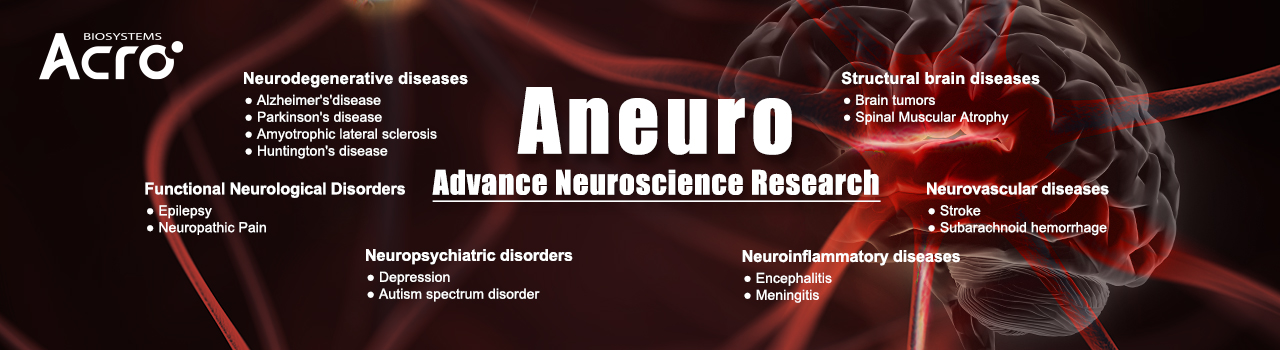
Big data techniques are transforming neuroscience by facilitating the analysis of large-scale brain imaging data, such as fMRI (functional magnetic resonance imaging) and EEG (electroencephalography) data. This enables researchers to map brain activity, understand neural networks, and explore the underlying mechanisms of cognition, behavior, and neurological disorders.
https://www.acrobiosystems.com/static/main/images/Neural_target/neural_banner.jpg
Drug Discovery and Development:
Pharmaceutical companies utilize big data analytics to sift through vast libraries of chemical compounds, predict drug interactions, and identify potential candidates for drug development. Big data also aids in clinical trials by optimizing trial designs, identifying patient cohorts, and analyzing real-world evidence to assess drug efficacy and safety.
Astrophysics and Cosmology:
Big data plays a crucial role in astrophysics and cosmology by analyzing massive data sets from telescopes, satellites, and observatories. Astronomers use big data techniques to study the universe's structure, map celestial objects, detect gravitational waves, and explore phenomena such as dark matter and dark energy.
Environmental Science:
Environmental scientists leverage big data to monitor ecosystems, track biodiversity, and assess environmental changes over time. Remote sensing data, IoT (Internet of Things) sensors, and citizen science initiatives generate vast amounts of data that are analyzed to understand the impact of human activities on the environment and develop conservation strategies.
Social Sciences:
Big data analytics are increasingly used in social sciences to analyze large-scale social media data, online interactions, and digital footprints. This enables researchers to study social networks, analyze public opinion, predict human behavior, and address societal challenges such as disease outbreaks, misinformation, and urban planning.
Materials Science:
Big data techniques are applied in materials science to accelerate the discovery and optimization of new materials with desired properties. Computational models, machine learning algorithms, and high-throughput experiments help researchers analyze the structure-property relationships of materials and design novel materials for various applications, including energy storage, electronics, and aerospace.
High-Energy Physics:
Big data plays a crucial role in high-energy physics research for analyzing data from particle accelerators and experiments such as the Large Hadron Collider (LHC). Physicists use big data techniques to discover new particles, test fundamental theories of particle physics, and explore the nature of the universe at the smallest scales.
Oceanography and Earth Sciences:
Big data is used in oceanography and earth sciences research to study ocean currents, marine ecosystems, earthquakes, and other geological phenomena. Researchers use big data analytics to analyze data from satellites, buoys, and sensors to understand Earth's processes and dynamics.
Conclusion
The big data has being applied in contemporary scientific research to address some of the most pressing challenges and questions facing humanity. As datasets continue to grow in size and complexity, big data analytics will play an increasingly important role in advancing scientific knowledge and innovation. Remember, big data is not just about volume; it’s about extracting meaningful insights from diverse data sources. Additionally, data science has impacted the society by Transforming data into knowledge and value enabling data-driven discovery of patterns across social, economic, biological, technological, cultural, and natural phenomena and changing the scientific method and influencing decision-making processes.


Comments
Post a Comment